Place · Tusheti, Georgia
The Weight of Quiet
Five days in Tusheti, where the road closes for half the year and the loudest thing at night is your own pulse. On silence, and what it asks of you.
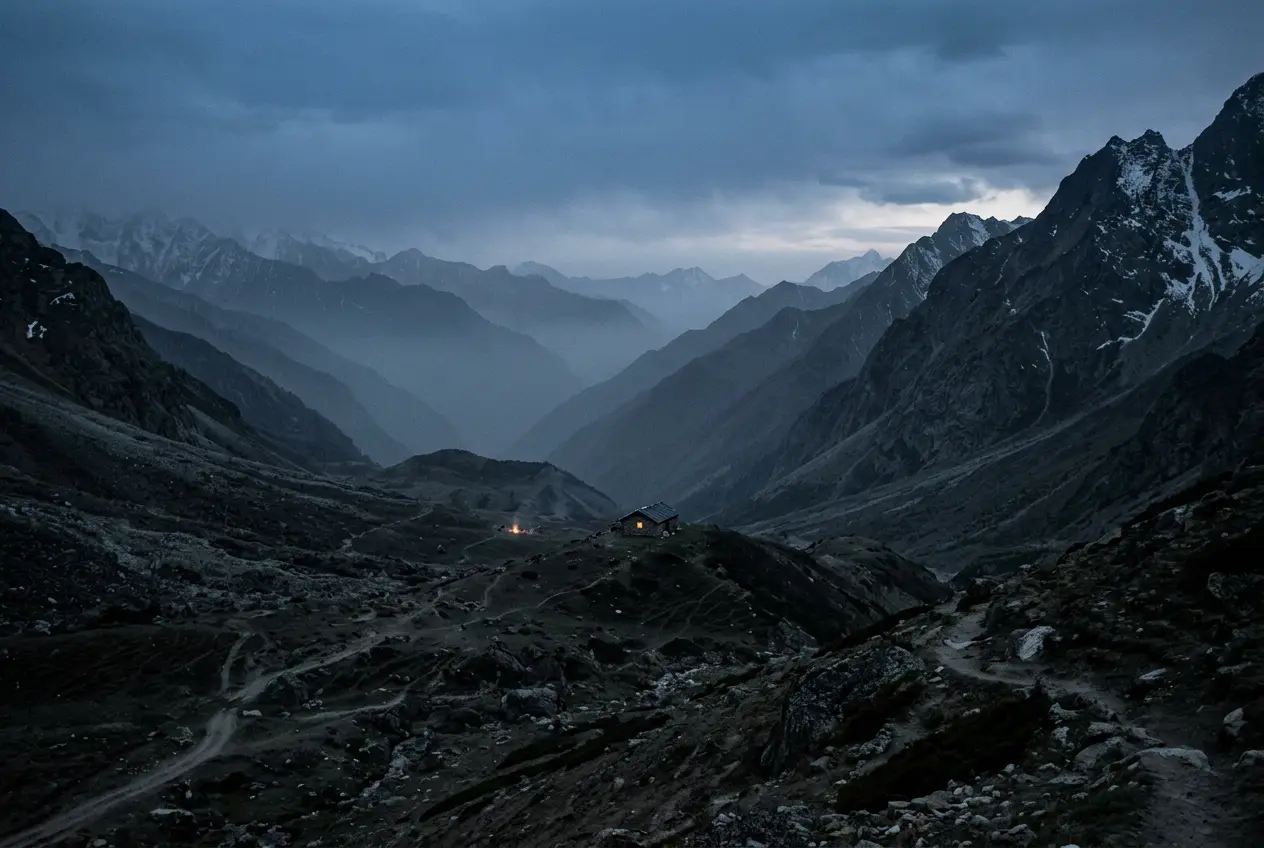
The road into Tusheti is a single unpaved shelf cut into the side of the Greater Caucasus. It's open for only a few months a year. The drive takes four hours and I spent most of it with my hand on the door handle, which wouldn't have helped at all, but felt like it might.
Then the road stops, and so does almost everything else.
Silence is not empty
The first night, I couldn't sleep because it was too quiet. I'm not exaggerating for effect. After years of cities, my ears kept reaching for sound — traffic, a neighbour, a fridge — and finding nothing. I could hear blood moving in my ears. I could hear the blanket when I breathed.
By the third night, the quiet had filled in. Wind in the grass. A horse shifting its weight somewhere below the guesthouse. Water I never actually saw. It turns out silence is not the absence of sound; it's the absence of sound aimed at you.
Walking without a reason
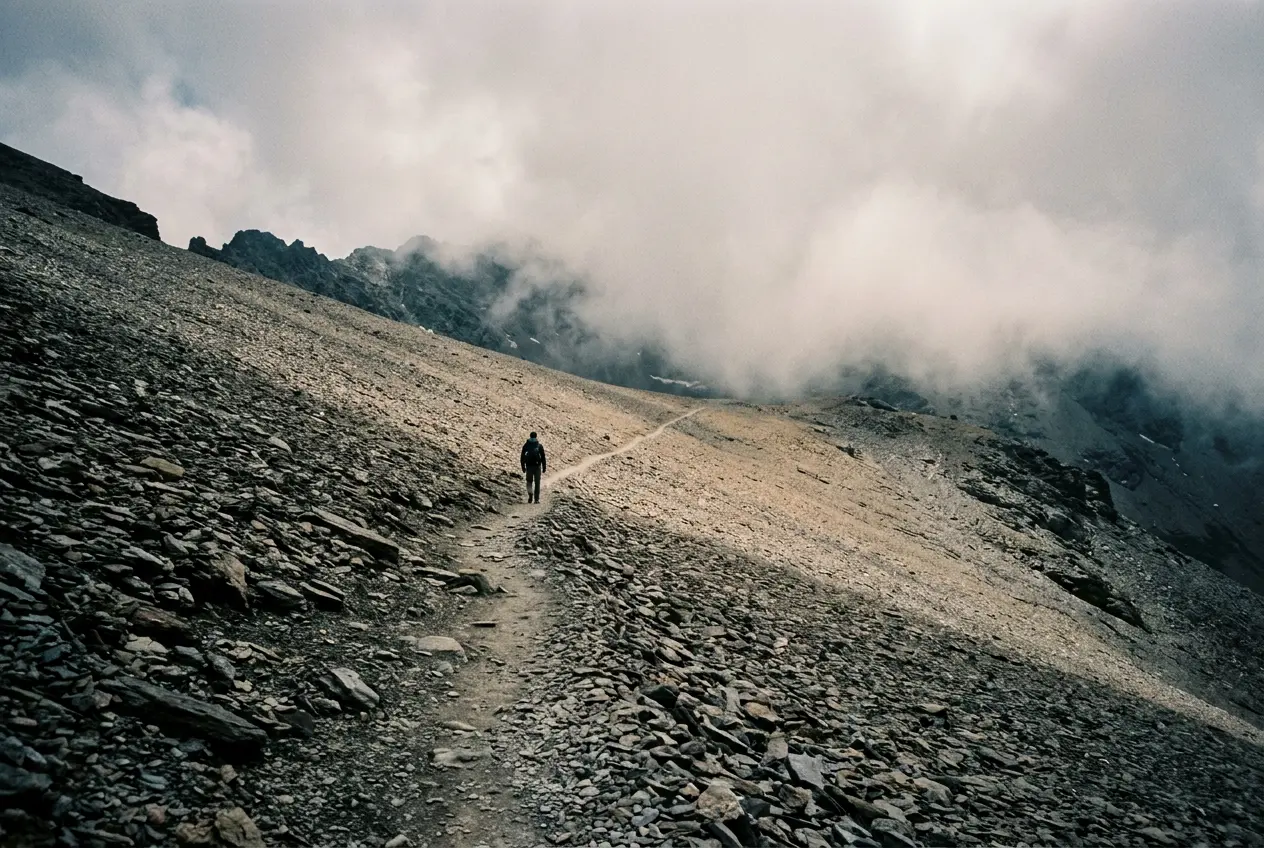
There are proper hikes here — passes, ridges, multi-day routes with real names. I did one. Mostly, though, I just walked out of the village in the morning and came back when I got hungry. Without a summit to collect, I started looking at different things: the lichen on the stone towers, how the shepherds' dogs work in pairs, the exact moment the light goes from silver to gold on the far slope.
Mountains don't care about your plans. That's a great relief, once you stop arguing with it.
Things I was glad I brought
- Cash, and more of it than I thought. There are no ATMs once the road ends.
- A warm layer for August evenings, which can drop close to freezing.
- Offline maps and a paper one, because the phone signal is a rumour.
- A book long enough to last. I finished mine on day four and reread the best chapters.
Coming back down
On the last morning, the driver played music the whole way down the pass. It felt like an intrusion and a welcome at the same time. When we reached the first village with a shop and a television, I realised I'd been holding my shoulders differently for five days — lower, slower.
It lasted about a week back in the city. I'm trying to remember how to find it again without needing a mountain to do it for me.